
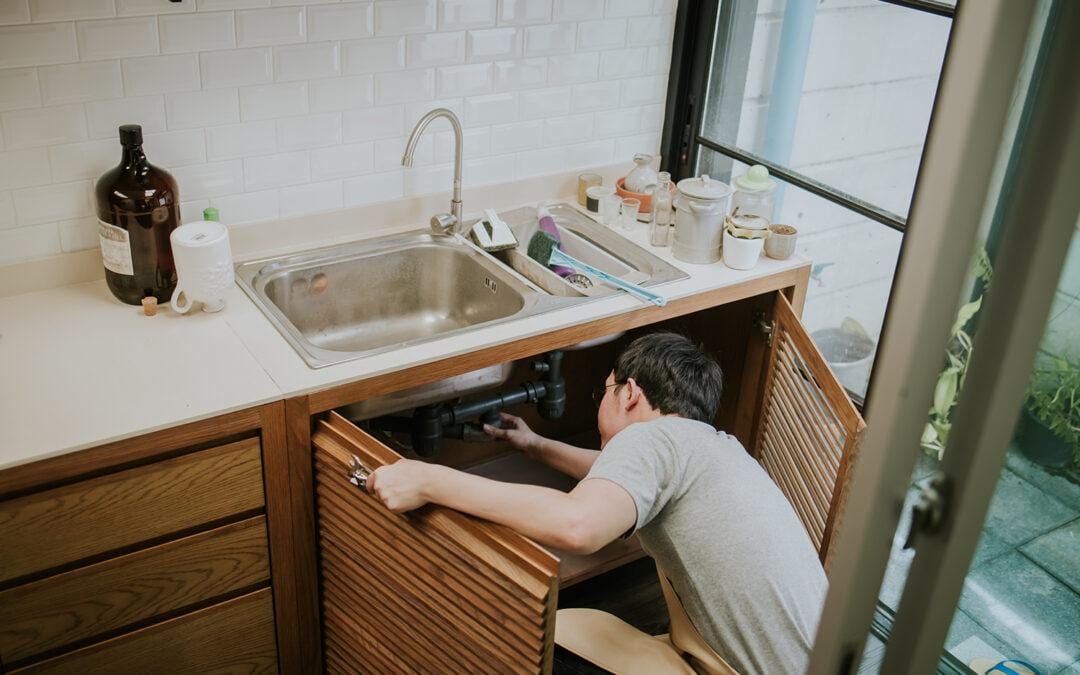
A leaking sink may seem like a minor inconvenience, but if left unrepaired, it can lead to serious problems in your home. Not only can a leaking sink be costly, but it can also pose significant health and safety risks. In addition, a leaking sink can negatively impact the environment through water wastage and leak-related damage. Below, you’ll find the reasons why you shouldn’t ignore a leaking sink, along with the potential consequences and solutions.
The Cost of Ignoring a Leaking Sink
One of the main reasons not to ignore a leaking sink is the cost. A small leak may not seem like a big issue, but over time it can result in significant water waste and higher bills. If left untreated, the leak can also damage the sink, countertops, and even flooring, leading to costly repairs or full replacements.
Even if you have home insurance, leaving the issue unresolved for too long may result in having to pay a large excess, as the damage could be extensive. Insurance policies may also exclude cosmetic damage, meaning repairs to surfaces may need to be paid for personally. If you don’t currently have home insurance, it’s worth arranging cover as soon as possible. It helps protect you from large unexpected costs and may cover the services of a leak detection engineer to assess the extent of the damage.
Health and Safety Risks
Another important reason not to ignore a leaking sink is the potential health and safety risks. These can range from physical hazards to respiratory problems.
Growth of mould and mildew
Leaks create damp conditions that encourage mould and mildew growth. Mildew is a white, thread-like fungus that thrives in damp environments and has a distinctive smell. It can cause respiratory irritation, particularly in sensitive individuals.
Black mould is a more serious issue caused by prolonged moisture exposure, such as from a leaking sink. It can damage the fabric of your home and has serious health implications, including respiratory infections, allergies, and asthma. In extreme cases, it has been linked to severe illness in children. Symptoms such as coughing, runny nose, and increased sneezing can significantly reduce quality of life.
Slip hazard
Water leaks can also create slip-and-fall hazards. While minor slips may only cause bruising, falls can lead to serious injuries, particularly for older individuals. Head injuries or fractures can have long-term health consequences.
Environmental Impact
A leaking sink doesn’t just affect your home - it also impacts the environment.
Wasted water
Every drop of water leaking from your sink is wasted. This unnecessary water usage places additional strain on local water supplies, particularly during periods of drought or water shortages. Leaked water cannot be reused due to the risk of contamination.
Reduced pressure
Leaks reduce pressure within the pipe system. To compensate, more energy is required to restore pressure, resulting in wasted energy and increased environmental impact.
Contamination risks
When water pressure drops due to a leak, contaminants in the surrounding ground can be drawn into the pipework. These contaminants may include bacteria and viruses that are unsafe for consumption and can lead to illness if they enter your water supply.
How to Fix a Leaking Sink
The first step in fixing a leaking sink is identifying the cause. Depending on the sink type, leak location, and severity, solutions can vary. Minor issues may be resolved by tightening a loose handle or replacing a worn washer. More serious problems, such as cracked sinks or damaged pipes, may require a professional leak detection engineer.
Common causes of leaking sinks include:
Worn-out or damaged faucet washers
Washers are pressed against the valve seat each time the tap is used. Over time, friction causes them to wear down, leading to leaks around the spout. Replacing the washer usually resolves the issue.
Loose faucet handles
Packing nuts and adjusting rings can loosen over time, causing leaks around the handle. Tightening or replacing these components can often fix the problem.
Cracked or damaged sink stoppers
If the stopper is leaking, it will need to be replaced entirely. This involves removing the old stopper and fitting a new one - a task that can usually be completed within a couple of hours if done carefully.
Loose or damaged pipes
Pipes are a common source of sink leaks. Check fittings around shut-off valves, as tightening them may resolve the issue. Use a wrench to hold the valve steady while tightening the compression nut by hand.
Act Quickly to Prevent Damage
Leaks can be stressful, but acting quickly can help prevent further damage. Clearing up excess water using towels or buckets helps protect furniture and flooring and can make the situation feel more manageable while waiting for professional help.
Call Professional Help
It’s best to contact a professional plumbing or water leak detection specialists if you’re unsure what to do. Attempting repairs without the right knowledge can make matters worse. Plumbers and leak specialists deal with leaks every day and are best equipped to resolve them safely and efficiently.
A leaking sink may seem minor, but ignoring it can lead to costly water waste, health risks, safety hazards, and environmental harm. Acting promptly can help minimise damage and prevent long-term issues.
Do You Need a Leak Detection Engineer?
At Leak Tracers Direct, we’re specialist leak detection engineers ready to help. No matter the size of the leak, we understand how stressful these situations can be. Our team works quickly to resolve issues and can assist with insurance claims to help reduce financial impact.
Working across London, get in touch today to find out more about our services.