
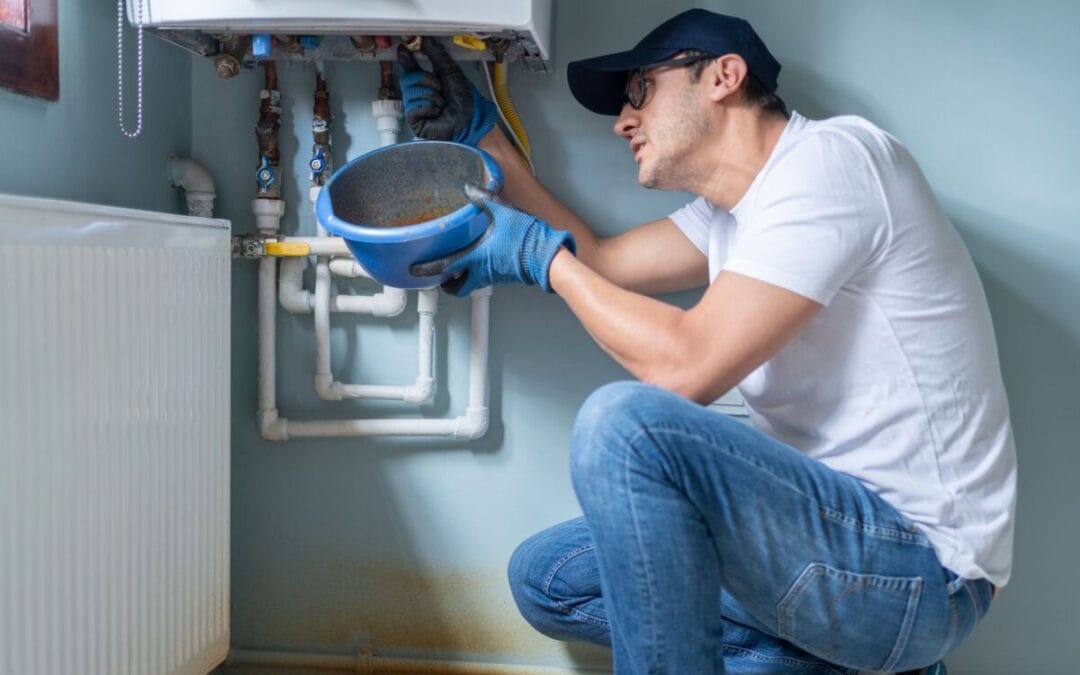
A central heating leak can be one of the most frustrating problems for homeowners. Leaks often start small and hidden, gradually causing drops in boiler pressure, higher energy bills, and even structural damage if left untreated. Because much of a heating system is concealed beneath floors, behind walls, or inside concrete, locating the source of a leak can be challenging without the right tools and expertise.
In this guide, we’ll break down how central heating leak detection works, the techniques used by professional leak detection specialists, and the early warning signs that could indicate a leaking central heating pipe in your home.
Why Central Heating Leaks Are Hard to Detect
Unlike plumbing leaks from taps or visible pipework, central heating leaks usually occur in hidden areas. Pipes may run under concrete floors, behind plaster walls, in loft spaces, or inside boxed-in pipe chases. Because these areas aren’t visible, leaks often go unnoticed until pressure drops or damp patches appear. Modern systems are sealed, so any loss of pressure generally indicates water escaping somewhere in the loop.
This is where specialist leak detection becomes essential.
How Central Heating Leak Detection Works
Professional leak detection teams use non-invasive technology to locate leaks without ripping up floors or causing unnecessary damage. Here are the most common and effective methods:
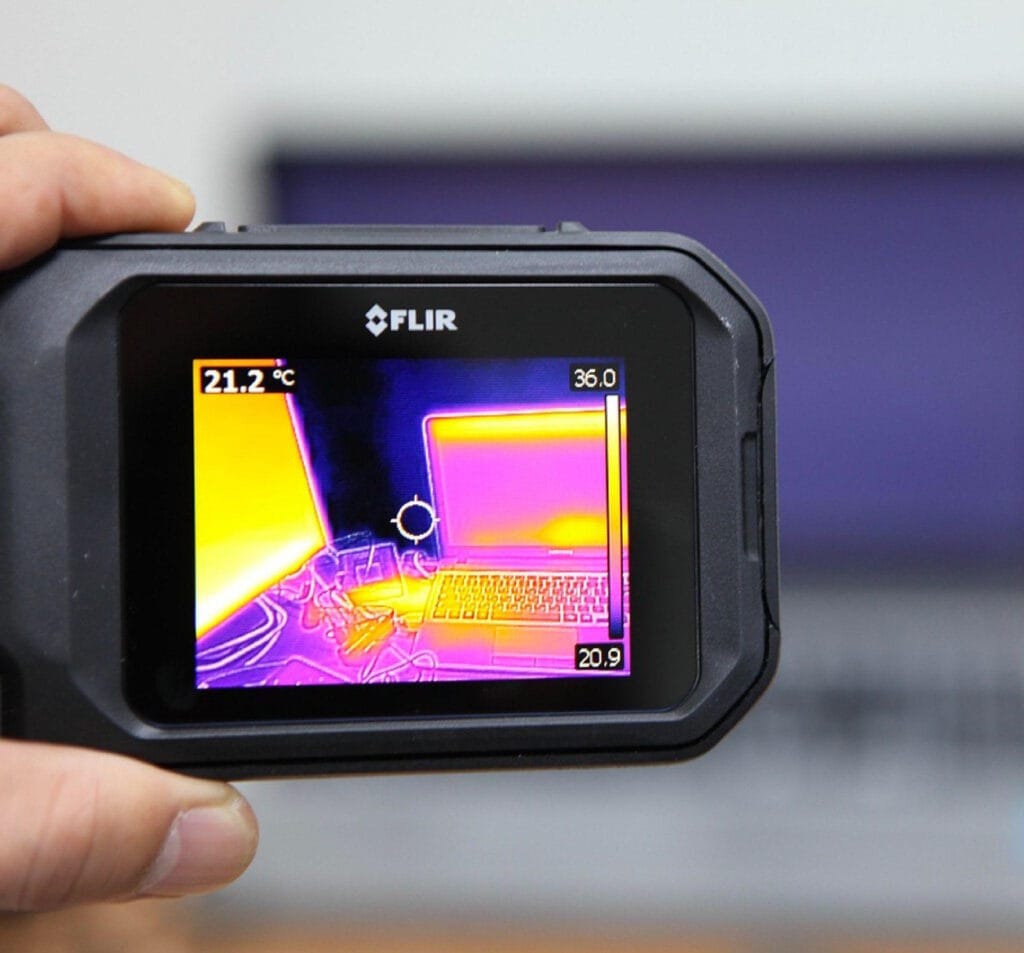
Thermal Imaging Cameras
Thermal imaging is one of the fastest detection methods. It highlights temperature changes in walls, floors, and ceilings, helping specialists identify hot or cold patches caused by leaking pipes. It can also reveal radiators that aren’t heating evenly or the route of hidden pipework. Because water escaping from a pipe affects the surrounding temperature, thermal cameras help pinpoint the affected area quickly and accurately.
Tracer Gas Testing
Tracer gas is often used when leaks are too small for thermal imaging to detect. Specialists introduce a safe, inert gas, usually a hydrogen/nitrogen mix, into the heating system. The gas escapes where the water is leaking and rises through floors or walls.
Sensitive gas detectors pick up even the tiniest concentrations, allowing specialists to pinpoint micro-leaks, hairline fractures in pipes, and leaks under concrete flooring. Tracer gas is incredibly accurate and does not cause any damage to the system.
Acoustic Listening Devices
When pipes leak, they make subtle noises—hissing, dripping, or bubbling. Acoustic devices amplify these sounds and help pinpoint the exact section of the pipe that’s failing. This is especially useful for leaks beneath solid floors.
Moisture and Infrared Probes
These tools help specialists assess moisture build-up in flooring materials, damp patches behind walls, and the path of leaking water. Together with other data, these readings provide a clear picture of the leak's location.
Early Signs of a Leaking Central Heating Pipe
Homeowners can often spot the early symptoms of a central heating leak before significant damage occurs. Look out for:
1. Frequent Boiler Pressure Loss
If your boiler keeps losing pressure and you find yourself topping it up regularly, there’s a good chance water is escaping somewhere in the system.
2. Damp Patches or Stained Walls
Water seeping from pipes under floors or behind walls may show up as dark staining, bubbling paint, and warped plaster. These are warning signs that should not be ignored.
3. Cold Radiators or Uneven Heating
Radiators that fail to heat up properly may indicate air entering the system through a leak.
4. Unusual Noises
Gurgling, dripping, or knocking sounds can be caused by air or escaping water.
5. Increased Energy Bills
A system working harder to maintain heat due to escaping water will use more energy.
How to Fix a Central Heating Leak
The best approach is always:
- Identify the leak accurately - Using specialist tools prevents unnecessary damage.
- Repair or replace the faulty section - This may involve tightening joints, repairing a valve, or replacing pipework.
- Refill and repressurise the system - After repair, your heating engineer will ensure the system operates safely.
Because hidden leaks can be tricky and costly if mis-diagnosed, relying on leak detection specialists is the most efficient and cost-effective solution.
When to Call a Leak Detection Specialist
You should seek professional help if:
- Your boiler pressure consistently drops
- You suspect a leak but can’t see obvious water damage
- Tracing the leak requires lifting floors or opening walls
- You want a non-destructive, accurate diagnosis
Specialists can save you both time and money by finding the exact location of a leak without unnecessary guesswork or disruptive exploratory work.
Keep Your Heating System Healthy and Leak-Free
A central heating leak doesn’t have to escalate into a major problem. By understanding the signs and knowing how central heating leak detection works, you can act quickly and minimise damage to your home. Modern leak detection technologies, such as thermal imaging, tracer gas, and acoustic listening, allow leak detection specialists to locate even the most hidden leaking central heating pipe with remarkable accuracy.
If you suspect a leak, don’t wait. Early detection is the key to protecting your heating system, your property, and your peace of mind. Contact us at Leak Tracers Direct today.